

Seasonal Allergy Management: Natural Remedies and Medical Solutions Seasonal allergies can disrupt everyday life, whether you are a busy professional or a traveller exploring new destinations. Coping with pollen, dust, and other environmental triggers is a shared experience for many, and there is no one-size-fits-all approach to managing symptoms. In this article, we explore a range of natural and medical methods to ease seasonal allergies, helping you to regain control and enjoy life with fewer interruptions. Understanding Seasonal Allergies Seasonal allergies occur when the immune system overreacts to harmless environmental substances, such as pollen or mould spores. Symptoms like sneezing, itchy eyes, and congestion are common signs that your body is trying to protect itself from perceived threats. It is important to understand that while these reactions are natural immune responses, they can detract from your quality of life, especially during travel or in professional settings where comfort and concentration are key. Natural Remedies for Managing Allergy Symptoms Many individuals seek natural remedies to complement or replace conventional allergy treatments. These remedies focus on reducing inflammation and strengthening the immune system through lifestyle changes and natural agents. Herbal Teas and Nutritional Boosts Herbal teas, such as peppermint and chamomile, can provide soothing relief from allergy symptoms. These teas help reduce inflammation and promote relaxation. Including a balanced diet rich in antioxidants can also support the immune system. Foods high in vitamin C, such as citrus fruits and leafy greens, may help mitigate the severity of allergy symptoms. For those who travel frequently, keeping a stock of herbal teas and vitamin supplements can be a convenient way to manage symptoms on the go. Essential Oils and Aromatherapy Aromatherapy has long been used to alleviate stress and respiratory issues. Essential oils like eucalyptus and lavender can open up congested airways and help you breathe more easily. A few drops in a diffuser or added to bath water may offer significant relief. For healthcare professionals, integrating aromatherapy into wellness routines can provide a natural boost during long shifts, where maintaining focus and calmness is essential. Local Honey and Allergen Exposure There is anecdotal evidence that consuming local honey can help build tolerance to local pollen. While scientific studies offer mixed results, many people find that regular consumption of locally sourced honey provides a mild desensitisation effect over time. This method is especially appealing for travellers who might experience new types of pollen in unfamiliar regions. However, it is important to remember that this approach should be used in conjunction with other treatments rather than as a standalone cure. Medical Solutions and When to Seek Professional Advice In cases where natural remedies are not sufficient or symptoms become particularly severe, medical treatments can offer substantial relief. Recognising when to seek professional advice is crucial for effective allergy management. Over-The-Counter Medications Antihistamines are often the first line of defence against seasonal allergies. They work by blocking the effects of histamines, the chemicals responsible for most allergic symptoms. For many, these medications provide quick relief from sneezing, itching, and watery eyes. Nasal sprays are another common option, offering targeted treatment to reduce congestion and inflammation. As with any medication, it is advisable to consult with a healthcare provider to determine the most appropriate over-the-counter solution for your specific needs. Prescription Treatments and Allergen Immunotherapy For those with persistent or severe allergies, prescription medications may be necessary. These treatments can include stronger antihistamines, corticosteroids, or even customised immunotherapy treatments. Immunotherapy involves gradually exposing the body to small amounts of the allergen, ultimately building up tolerance over time. This approach, while requiring a longer course of treatment, can significantly reduce allergy symptoms in the long run. Healthcare professionals will be able to provide guidance on whether immunotherapy is a suitable option based on your allergy profile. Managing Allergies During Travel Travelling can present unique challenges for individuals with seasonal allergies. New environments often mean exposure to unfamiliar allergens, which can exacerbate symptoms. Travellers are encouraged to prepare in advance by researching the local flora and air quality, packing appropriate medications, and exploring natural solutions available at their destination. Preparing Your Travel Kit Carrying a well-stocked travel kit that includes both natural remedies and over-the-counter medications can be a lifesaver. Pack items such as antihistamines, essential oils, and herbal teas to ensure you have multiple options to combat allergic reactions. Additionally, consider wearing sunglasses to protect your eyes from pollen and dust when outdoors. The key is to have a plan in place so that your travel adventures remain enjoyable and free from the disruption of allergy symptoms. Local Healthcare Services and Support If symptoms become unmanageable while travelling, it is important to know where to seek help. Local pharmacies, like Ash Pharmacy, can provide both medical advice and ready access to treatments. Whether you’re abroad or in a new town, professional healthcare support is just a local visit away. It is always advantageous to have the contact details of nearby healthcare service providers, particularly when exploring unfamiliar areas. Integrating a Holistic Approach Combining natural remedies with conventional medical treatments offers a holistic approach to managing seasonal allergies. By listening to your body and adapting your strategies, you can find a balance that suits your lifestyle. Travellers and healthcare professionals alike benefit from a multifaceted approach where dietary adjustments, lifestyle improvements, and proven medical interventions work collaboratively. Communication is also a key component of effective allergy management. Whether you are managing your symptoms or advising a patient, understanding that each individual’s response to allergens is unique allows for a personalised treatment plan. At Ash Pharmacy, our goal is to ensure that everyone receives care tailored to their specific needs, making it easier to navigate the challenges of seasonal allergies. Taking Action: Book Your Appointment Today Managing seasonal allergies doesn’t have to be overwhelming. If you are looking for professional guidance or need to address more persistent allergy issues, consider booking an appointment with our expert team at Ash Pharmacy. With our comprehensive range of private services, we are

Shingles Vaccine: Who Needs It and Why It’s Important
Shingles Vaccine: Who Needs It and Why It’s Important Shingles, medically known as herpes zoster, is a painful condition caused by the reactivation of the varicella-zoster virus—the same virus responsible for chickenpox. With a vaccine available to help reduce the likelihood and severity of this distressing condition, understanding who should consider the shingles vaccine has become increasingly important. This article aims to provide clear and detailed insight for both travellers and healthcare professionals, outlining the critical reasons why the shingles vaccine should be on your radar. Understanding Shingles and Its Impact Shingles typically presents as a painful, blistering rash that appears on one side of the body, often accompanied by nerve pain that can continue long after the rash has healed. This persistent pain, known as post-herpetic neuralgia (PHN), can significantly affect quality of life and daily functioning. The risk of developing shingles increases with age and among those with weakened immune systems. For both travellers and healthcare professionals, it is essential to recognise that anyone who has had chickenpox is at risk of developing shingles later in life, making preventive measures worthwhile. The Shingles Vaccine: An Overview The shingles vaccine is designed to strengthen the immune system’s defence against the reactivation of the virus. There are two main types available: a live-attenuated vaccine and a more recent recombinant vaccine. While the choice of vaccine may vary depending on individual circumstances and national guidelines, the overarching goal is the same – to reduce the clinical severity of the infection and to lower the risk of developing complications such as PHN. For those who are particularly susceptible to shingles, such as older adults or immunocompromised individuals, the vaccine provides an important line of defence. The preventive nature of the treatment not only mitigates immediate discomfort but also avoids long-term consequences that can arise from recurrent episodes of the virus. Who Should Consider the Shingles Vaccine? Older Adults and Individuals Ageing Gracefully One of the primary groups targeted for the shingles vaccine is adults over the age of 50. With advancing age, the immune system naturally weakens, increasing vulnerability to infections such as shingles. Studies have highlighted that vaccination significantly reduces the incidence and severity of the condition. Healthcare professionals should prioritise discussions about vaccination with older patients, emphasising the preventative benefits and the reduction in long-term complications. Individuals with Weakened Immune Systems People living with conditions that affect the immune system—whether due to chronic illnesses, treatments like chemotherapy, or post-transplant medications—should consider the vaccine as an essential preventive measure. A compromised immune system not only heightens the risk of shingles but can also lead to more severe manifestations of the infection, making proactive immunisation a vital part of comprehensive healthcare. Travellers and Global Citizens While travelling, individuals often expose themselves to different environments and stressors, potentially affecting overall health. Travellers who are in the higher risk age bracket or who have underlying health issues may find that their immune system is further strained during trips. Being vaccinated against shingles can offer an extra layer of protection while navigating foreign climates and seasonal changes, ensuring that a trip is memorable for all the right reasons. Moreover, healthcare professionals travelling for conferences or work might appreciate the added reassurance of being protected against this virus. Benefits and Considerations of the Shingles Vaccine There are several significant benefits attached to receiving the shingles vaccine. Firstly, the vaccine reduces the chance of contracting shingles by boosting the immune system’s capacity to handle the dormant virus. Even in the event of a breakthrough infection, vaccinated individuals tend to experience a milder course of the disease with fewer complications. Secondly, and importantly, the vaccine lowers the risk of developing post-herpetic neuralgia, a debilitating condition that can severely impact one’s quality of life. This is of particular importance for older adults and those managing multiple health issues, where long-lasting nerve pain can exacerbate other conditions or lead to additional health complications. There are a few considerations before deciding on the vaccine. Individuals should ideally consult with a healthcare professional to discuss any potential contraindications, such as allergies to vaccine components or interactions with existing medications. Additionally, it is important to factor in any travel-related immunisations and ensure that appointments for these do not conflict with the schedule for receiving the shingles vaccine. Healthcare Professionals: Advising and Administering the Vaccine For healthcare professionals, the role extends beyond personal protection. It includes educating patients on the benefits and risks associated with the shingles vaccine. By fluently integrating the vaccine into routine practice, clinicians can significantly reduce the overall health burden on the community. Comprehensive patient education and preventive care form the backbone of effective public health strategies. Clinicians are encouraged to maintain an open dialogue with patients regarding their travel plans and lifestyle changes. For instance, a robust conversation about how travel-related stress and environmental changes can impact the immune system might help convince a hesitant patient about the merits of getting vaccinated. Technology and electronic health records can facilitate follow-up appointments and ensure that vaccination schedules are adhered to properly, thereby maximising patient outcomes. The Shingles Vaccine in the Context of Travel Travelling can disrupt regular health routines. Time zone changes, altered sleeping patterns, and dietary variations can impact one’s overall immunity. For travellers in the higher risk category, planning ahead and ensuring vaccinations are up to date becomes a key consideration. Healthcare professionals working in or travelling to different parts of the world should consider not only the basic travel immunisations but also seasonal vaccines and preventive measures that keep them in peak condition. Additionally, public awareness about the shingles vaccine in travel clinics has increased as campaigns have highlighted the importance of comprehensive travel health. This is particularly relevant for older travellers and those visiting countries with limited access to advanced medical care. In such cases, receiving the shingles vaccine before departure is a proactive step towards minimising health risks and ensuring a safer travel experience. Taking Action: Book Your Appointment Today Deciding to get vaccinated

Acne Treatments Demystified: From Creams to Prescription Solutions
Acne Treatments Demystified: From Creams to Prescription Solutions Acne can be both a frustrating and persistent skin issue, affecting not only young adults but also travellers and professionals who lead busy lives. As everyday stressors and changing climates impact the skin, finding the right treatment is crucial. At Ash Pharmacy, we understand the diverse needs of our clients – from those seeking quick over‐the‐counter solutions during their travels to healthcare professionals looking for advanced prescription treatments for their patients. Understanding Acne and Its Impact Acne is more than a cosmetic concern – it represents a complex interplay between hormones, bacteria, and inflammation. While it is most commonly seen during puberty, many adults continue to experience outbreaks well into their later years. For travellers, environmental changes, diet alterations, and stress can exacerbate pre‐existing skin conditions, summoning unexpected breakouts. Meanwhile, healthcare professionals recognise the emotional toll that persistent acne can impose on their patients, often seeking clear and effective treatment plans that address both physical and psychological well‐being. Different Types of Acne and Their Treatments The term “acne” covers a range of conditions. There are mild forms, such as blackheads and whiteheads, which might be manageable with simple creams, and more severe forms like cystic acne, which require potent prescription solutions. The diversity in presentation means that treatment must be individualised. At Ash Pharmacy, our experienced professionals offer detailed consultations to ensure that each treatment plan aligns with the patient’s skin type, lifestyle, and unique needs. Creams and Over-the-Counter Solutions For those experiencing mild to moderate acne, creams and topical solutions form a critical first line of defence. Many over‐the‐counter products contain active ingredients like benzoyl peroxide or salicylic acid, both of which work to reduce inflammation and clear blocked pores. These products are well‐suited for travellers who need to manage mild outbreaks on the move without the hassle of prolonged prescription processes. However, while creams can be effective, it is crucial to use them as directed to avoid skin dryness or irritation. How Do Topical Creams Work? Creams target the skin’s surface, helping to unclog pores and reduce live bacteria that may contribute to inflammation. They also assist in reducing redness and swelling, allowing for quicker skin recovery. For travellers, especially, the convenience of using a compact cream on the go can make a significant difference in maintaining clear skin during stressful journeys. Prescription Treatments Demystified When over‐the‐counter remedies fall short, prescription solutions often offer the next step in managing severe or persistent acne. Prescription medications, including topical retinoids and oral antibiotics, work at a deeper level, addressing the underlying causes of acne rather than just treating the visible symptoms. For individuals whose acne might be linked to hormonal imbalances or other internal factors, more specialised treatments like hormonal therapy may be recommended. Healthcare professionals often turn to these options when addressing complex cases in their clinical practice. Specialist Consultation: Why It Matters Individual skin care needs vary widely. A detailed consultation not only ensures that the correct treatment is applied but also helps avoid adverse reactions. This process is invaluable for both travellers who may be unsure of the changes occurring in their skin across different environments and healthcare professionals who are managing an array of conditions in a clinical setting. By assessing the patient holistically, specialists can offer personalised advice that supports long-term skin health. Lifestyle and Dietary Considerations While treatments are essential, it is also worth acknowledging that lifestyle factors play a significant role in acne management. Diet, hydration, and stress management are all critical elements of skin health. For instance, high-glycaemic foods can potentially worsen acne, while maintaining a balanced, nutrient-rich diet can promote clearer skin. Travellers, in particular, may find themselves in environments where dietary options are limited. In these cases, understanding the importance of nutrient-dense meals and regular hydration can prevent acne flare-ups. Navigating the Consultation Process Whether you are a traveller seeking immediate relief or a healthcare professional exploring effective treatment plans for patients, the consultation process is a valuable step towards achieving clear skin. During your consultation at Ash Pharmacy, you can expect a thorough evaluation of your skin history, lifestyle factors, and any previous treatments. This approach ensures that the solution offered is both safe and effective. Personalized consultations form a critical part of the modern approach to acne treatment, particularly in an era when skin needs can vary dramatically with travel and work demands. The Role of Ash Pharmacy in Your Acne Treatment Journey At Ash Pharmacy, our expertise in both over‐the‐counter and prescription treatments is designed to meet the needs of a diverse clientele. We appreciate that travellers are often in search of fast, effective solutions that are easy to integrate into a hectic lifestyle. For healthcare professionals, we pride ourselves on offering evidence-based advice and treatment options that can be integrated into larger care plans. Our professionals stay updated with the latest developments in dermatological research and treatments, ensuring that whether you require a quick fix or a long-term treatment plan, you are always well-supported. With an emphasis on thorough consultations and personalised care, Ash Pharmacy has become synonymous with effective acne management. Taking the Next Step Towards Clearer Skin If you have been struggling to find a treatment that suits your busy lifestyle or specific skin needs, consider a consultation at Ash Pharmacy. Our expert team is here to help demystify your acne treatment options, guiding you from simple creams to more complex prescription solutions. We invite you to book your appointment now and take the first step towards healthier, clearer skin. Together, we can develop a treatment plan that is tailored to your individual circumstances, ensuring you walk away with confidence, no matter where your journeys take you. In conclusion, understanding the different pathways to managing acne is essential for anyone who values effective skincare. Whether your path involves over‐the‐counter creams for immediate relief or prescription treatments for chronic conditions, the key is to remain informed and proactive. By combining expert consultation with personal responsibility for

B12 Deficiency: Symptoms, Risks, and How Injections Can Help
B12 Deficiency: Symptoms, Risks, and How Injections Can Help Vitamin B12 deficiency is a common health concern that can affect both travellers and healthcare professionals. Whether you are frequently on the move or working long hours in a demanding environment, recognising the symptoms of B12 deficiency and understanding how B12 injections can aid in restoring energy and vitality is essential. In this article, we explore the signs of a deficiency, the potential risks associated with untreated low B12 levels, and the benefits of treatment through injections provided by trusted private services. Understanding Vitamin B12 and Its Importance Vitamin B12, also known as cobalamin, is a water-soluble vitamin that plays a critical role in red blood cell production, nerve function, and DNA synthesis. It is primarily found in animal-based foods, and absorption can be impacted by dietary restrictions, underlying medical conditions, or lifestyle factors such as prolonged travel. Without sufficient B12, the body struggles with energy production and maintaining a healthy nervous system, which can lead to a range of symptoms. Common Symptoms of B12 Deficiency Identifying B12 deficiency can sometimes be challenging because its symptoms overlap with other conditions. However, being alert to the typical signs can be the first step towards diagnosis and treatment. For travellers, recognising these symptoms early is key to managing health away from home. Signs to Watch Out For The symptoms of B12 deficiency can vary from person to person, but they often include persistent fatigue, weakness, and a general sense of malaise. Many people experience neurological issues such as tingling sensations in the hands and feet, memory loss, or mood changes. Other common symptoms include: Shortness of breath and dizziness Pale or jaundiced skin Mouth ulcers and a smooth, red tongue These manifestations might seem subtle at first, but if they are left untreated, they can result in more serious health complications, particularly in individuals with pre-existing conditions or those who lead highly active lifestyles. The Risks of Untreated B12 Deficiency Ignoring a potential B12 deficiency can lead to significant health issues. For healthcare professionals, who often operate in fast-paced and high-stress environments, prolonged deficiency may affect performance and overall well-being. Travellers, on the other hand, might find that untreated B12 deficiency exacerbates issues like jet lag and general fatigue, impairing the ability to enjoy travel adventures and meet travel commitments. Over time, untreated B12 deficiency can cause irreversible neurological damage. This may manifest as difficulty with balance, memory problems, and cognitive impairment. Additionally, chronic anaemia—a condition characterised by a low red blood cell count—can develop, reducing the oxygen supply to vital organs and leading to further complications. How B12 Injections Can Make a Difference B12 injections are becoming an increasingly popular treatment option. They provide a quick, direct method to elevate B12 levels in the bloodstream, bypassing potential absorption issues related to the digestive tract. This is particularly beneficial for individuals who have undergone bariatric surgery or have gastrointestinal disorders. Benefits of B12 Injections One of the main benefits of B12 injections is the rapid alleviation of symptoms. Travellers dealing with fatigue and a sluggish immune system can find renewed energy shortly after treatment. Similarly, healthcare professionals experiencing cognitive decline or mood fluctuations due to B12 deficiency may notice improvements in concentration and overall mental clarity. Other advantages include: Improved energy levels and reduced feelings of exhaustion Enhanced concentration and mental clarity Promotion of healthy nerve cell function Aiding the body’s overall metabolic function The simplicity and effectiveness of B12 injections make them an appealing option for those looking to address a deficiency quickly and efficiently. What to Expect During a B12 Injection Treatment If you are considering B12 injections, it is important to know what to expect during your treatment. Typically administered via intramuscular injection, the treatment process is straightforward and performed by a qualified healthcare professional. This method ensures that the vitamin is absorbed directly into the bloodstream, providing a more immediate impact compared to oral supplements. During your consultation, a healthcare provider will review your symptoms and conduct a series of tests to confirm your B12 levels. Once a deficiency is identified, they will craft a personalised treatment plan. The number of injections required depends on the severity of the deficiency. For many patients, a series of injections followed by periodic maintenance doses is recommended to keep B12 levels stable. Considerations for Travellers and Healthcare Professionals Travellers may face unique challenges when it comes to maintaining adequate B12 levels. Changing time zones, disruptions in regular diet, and stress can all contribute to vitamin depletion. It is prudent for frequent flyers and those on extended trips to pay close attention to their nutrition and, if necessary, consider B12 injections as a preventive measure. Healthcare professionals, meanwhile, work in environments where long shifts and high demands place stress on the body. Their busy schedules often leave little time for proper nutrition. For these individuals, B12 injections can provide a quick boost, helping to maintain the energy levels required for demanding work schedules. Integrating B12 Treatment into Your Healthcare Regime Whether you are a healthcare provider recommending treatment to your patients or a traveller aiming to maintain your well-being, integrating B12 injections into your healthcare regime can be a smart strategy. The treatment is not only efficient but also offers benefits that extend beyond merely addressing fatigue. Patients often experience improved mood, enhanced mental clarity, and even better metabolic function. By addressing B12 deficiency early, you can prevent the long-term risks associated with this condition. It is highly recommended to consult with a healthcare provider who can guide you through the process, ensure your safety, and provide tailored advice based on your specific needs. Taking the Next Step Ultimately, recognising and treating B12 deficiency is vital for maintaining overall health and vitality. With the convenience of B12 injections available through private services, including those tailored for travellers and busy healthcare professionals, addressing this deficiency has never been more accessible. If you suspect a deficiency or are just looking to optimise your health,
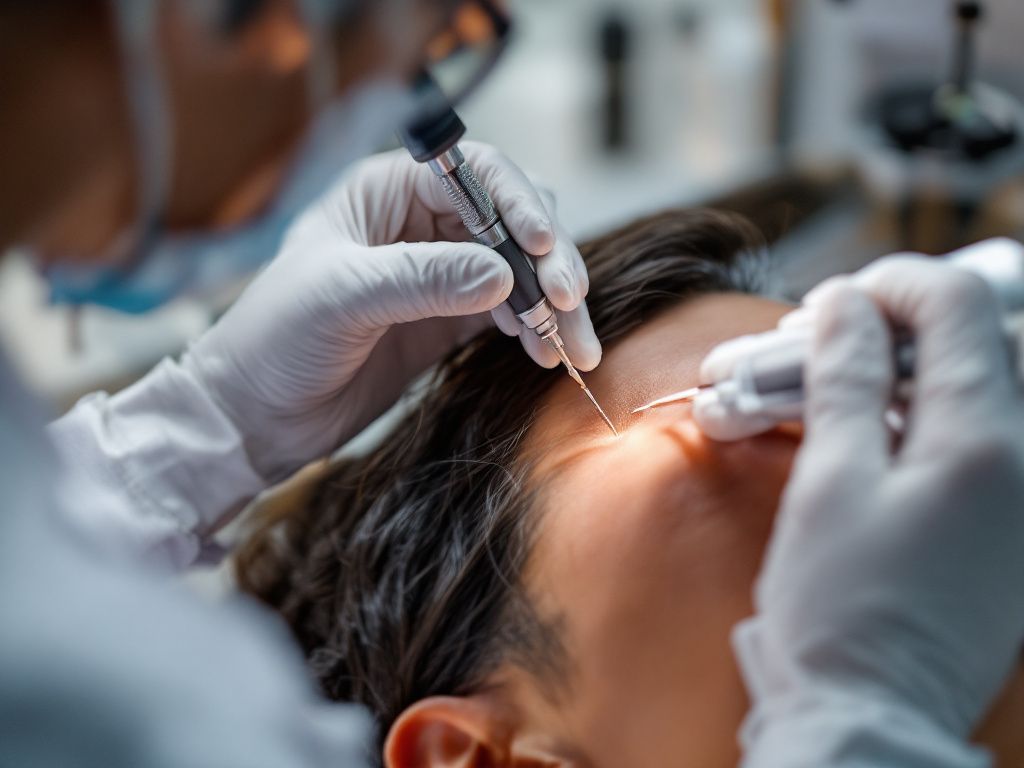
Microsuction Ear Wax Removal: A Safe and Pain-Free Solution
Microsuction Ear Wax Removal: A Safe and Pain-Free Solution In today’s fast-paced world, ensuring your hearing health is more important than ever, whether you’re a frequent traveller or a dedicated healthcare professional. At Ash Pharmacy, we understand how crucial it is to maintain optimal ear health, and that’s why our microsuction ear wax removal service is at the forefront of modern ear care. This article delves into the nuances of microsuction, explaining why it’s considered a safe and pain-free solution compared to traditional methods. Understanding Ear Wax and Its Importance Ear wax, medically referred to as cerumen, plays a vital role in protecting our ears from dust, bacteria, and other foreign particles. It also provides a natural lubricant to help keep the skin inside the ear canal healthy. However, when excess wax accumulates, it can lead to discomfort, hearing issues, and other complications. Travellers, in particular, might experience a build-up of ear wax due to frequent changes in altitude and environmental conditions. Similarly, healthcare professionals might encounter high levels of ear wax in their patients, emphasising the need for an effective and gentle treatment method. What Is Microsuction Ear Wax Removal? Microsuction ear wax removal is a modern, non-invasive procedure used to clear the ear canal of excess wax. Unlike traditional methods such as ear syringing or manual extraction with curettes, microsuction utilises a specialised suction device combined with a microscope for enhanced precision and safety. This method is designed to remove ear wax quickly while minimising discomfort, making it an ideal option for individuals who might be sensitive or have had adverse experiences with other methods. The Microsuction Procedure: Step-by-Step Overview Preparation and Examination Before any treatment begins, a thorough examination of the ear is conducted by a trained professional. Using a microscope, the practitioner visualises the ear canal and assesses the extent and nature of the wax build-up. This careful evaluation is instrumental in determining whether microsuction is the most appropriate treatment method. The Suction Process Once the examination is complete, the microsuction procedure can start. The practitioner uses a micro-suction device, which creates a gentle vacuum effect, to remove the wax from the ear canal. The process is monitored closely through a microscope, ensuring that only the unwanted wax is extracted while the delicate tissues of the ear remain unharmed. Often, patients describe the sensation as slightly unusual rather than painful, which is a significant improvement over more invasive techniques. Post-Procedure Care After the procedure, patients may experience a brief period of mild ear sensitivity. However, any discomfort typically subsides quickly. The practitioner might offer guidance on how to care for the ear during the recovery period, as well as tips for preventing excessive wax build-up in the future. Benefits of Microsuction Ear Wax Removal Microsuction offers several advantages over traditional ear wax removal methods, making it a preferred choice for both patients and healthcare professionals. Precision and Safety The utilisation of a microscope during the procedure allows for a clear and magnified view of the ear canal. This results in a very controlled extraction process, significantly reducing the risk of damage to the ear drum or other sensitive structures within the ear. Comfort and Pain-Free Experience Patients appreciate that microsuction is generally a painless procedure. The absence of cold water injections or invasive instruments means that the patient’s comfort is prioritised throughout the treatment. This is particularly beneficial for those with sensitive ears or a history of painful ear syringing procedures. Efficiency and Quick Recovery The entire procedure is typically completed within 20 to 30 minutes, making it ideal for busy individuals. Travellers can benefit from the rapid appointment times, ensuring that ear discomfort does not interfere with travel plans. Likewise, healthcare professionals can confidently refer patients to a swift and effective treatment, knowing that recovery times are minimal. Who Can Benefit from Microsuction? One of the most attractive aspects of microsuction ear wax removal is its suitability for a wide range of individuals. It is an excellent option for: People experiencing hearing impairment or discomfort due to wax blockages Individuals who have not responded well to previous ear wax removal methods Patients with narrow ear canals where traditional methods are less effective or safe Frequent travellers who may develop excess ear wax as a result of environmental changes Healthcare professionals seeking a reliable procedure to recommend in patient care The inclusivity and safety profile of this technique make it a sought-after service at Ash Pharmacy. Comparing Microsuction to Traditional Methods Traditional methods, such as ear syringing and manual extraction using curettes, have been widely used for decades. However, they come with inherent risks, especially in patients with sensitive ear canals or pre-existing ear conditions. Ear syringing may sometimes lead to complications such as infections, ear drum perforation, or increase in wax impaction if not followed by proper drying techniques. In contrast, microsuction minimises these risks by offering a controlled and direct method of extraction. The use of modern equipment and a visual approach ensures that the procedure is both efficient and safe, which is why it is increasingly being recommended over older techniques. Ensuring a Quality Experience at Ash Pharmacy At Ash Pharmacy, in addition to safeguarding your health, we also prioritise a smooth, comfortable, and professional experience. Our practitioners are experienced in performing microsuction, ensuring that each patient receives personalised care tailored to their specific needs. Whether you are a traveller needing prompt relief or a healthcare professional looking for a dependable solution for your patients, our doors are open for you. We encourage you to stay informed about your ear health and to take a proactive approach in managing any issues related to wax build-up before they escalate into more serious problems. Regular check-ups can help you avoid complications that might interfere with your quality of life and daily routine. Remember, early intervention is key. Your Next Step Toward Better Ear Health If concerns about ear wax build-up are affecting your quality of life or if you have experienced discomfort during previous

Weight Loss Injections: A Science-Backed Guide to How They Work
Weight Loss Injections: A Science-Backed Guide to How They Work Weight loss injections have emerged as an innovative option for individuals seeking support in their journey towards a healthier lifestyle. As a science‑backed method, these injections are gaining traction among both travellers looking for convenient health solutions and healthcare professionals keen to offer their patients evidence‑based options. This article delves into the mechanism behind weight loss injections, the science that underpins their efficacy, and the safety measures that ensure they are a viable complement to a well‑balanced approach to weight loss. The Science Behind Weight Loss Injections Weight loss injections typically involve the administration of compounds designed to influence metabolism, regulate appetite, and improve insulin sensitivity. These compounds, which include peptides, hormones, or vitamins, are developed through rigorous scientific research and clinical trials. Their ability to stimulate the body’s natural processes means they can help manage weight when combined with lifestyle changes. Pharmaceutical research has broadly demonstrated that when administered properly, these injections can modulate various biological pathways. They act to enhance the breakdown of fats and improve the body’s efficiency in utilising energy. By targeting the endocrine system directly, weight loss injections offer a more precise intervention compared to some oral medications. The science behind these treatments is continually evolving as new data becomes available, ensuring that the most current and effective therapies are brought to the forefront. How Weight Loss Injections Work Mechanism of Action The core mechanism of weight loss injections lies in their interaction with the body’s hormonal pathways. In many cases, the injections include compounds that mimic or stimulate hormones responsible for satiety and energy regulation. For example, certain injections may increase the production of hormones such as glucagon-like peptide-1 (GLP-1), which plays a crucial role in signalling fullness and reducing food intake. By enhancing the body’s metabolic response, these treatments may support a reduction in overall calorie consumption while simultaneously encouraging fat metabolism. The Role of Insulin Sensitivity and Metabolism Improved insulin sensitivity is another important factor in the effectiveness of weight loss injections. Enhancing the body’s response to insulin helps regulate blood sugar levels more effectively, thereby reducing fat storage and aiding in the breakdown of triglycerides. This process not only supports weight loss but can also contribute to better overall metabolic health, an important factor for those with pre‑existing conditions such as type 2 diabetes. Moreover, the injections are carefully dosed to gently prompt the body’s natural weight regulation mechanisms. They are most effective when used as part of a comprehensive treatment plan that includes dietary adjustments, exercise, and lifestyle modifications. It is this synergy of science and personal commitment that underpins the long‑term success of weight management strategies. Potential Benefits of Weight Loss Injections One of the primary advantages of weight loss injections is the targeted approach they offer. By working at a hormonal level, these injections can help reduce appetite, improve energy expenditure, and enable more effective fat metabolism. For those who have struggled with traditional dieting methods, the injections can act as a catalyst for change, contributing to improved weight management outcomes. Many healthcare professionals advocate for such treatments—especially in cases where patients have not seen comprehensive benefits from lifestyle changes alone. For travellers who may find it challenging to stick to routine dietary habits, these injections offer an accessible option to maintain their weight management goals while on the move. The ease of administration and the precise, science‑backed formulation make them an attractive option for many looking to achieve and sustain a healthy weight. Safety, Side Effects, and Considerations As with any medical treatment, the safety profile of weight loss injections is of paramount importance. In most cases, these treatments are well‑tolerated, with mild side effects that tend to resolve quickly. Commonly reported effects include minor discomfort at the injection site or slight gastrointestinal changes during the adjustment period. However, extensive clinical trials and ongoing monitoring continue to affirm the overall safety of these treatments when administered under professional guidance. It is crucial to remember that weight loss injections are best utilised as a supplementary tool, rather than a sole solution. An individual’s unique health profile, including any pre‑existing conditions, must be carefully considered before commencing treatment. Healthcare professionals play a significant role in evaluating the suitability of these injections for each patient. Their expertise ensures that dosage and treatment duration are appropriately adjusted to meet individual needs, reducing the risk of adverse reactions and maximising therapeutic benefits. Integrating Weight Loss Injections into a Comprehensive Health Strategy Weight loss injections should ideally serve as part of an integrated programme aimed at achieving overall health improvements. They are designed to complement key lifestyle modifications such as a balanced diet and regular physical activity. For instance, incorporating nutritional guidance and exercise plans can significantly amplify the benefits of the injections. Many patients report that these combined efforts not only enhance weight loss outcomes but also improve overall wellbeing. The scientific approach underpinning these injections encourages a holistic view of health. Rather than simply focusing on reducing weight, the emphasis is on optimising metabolic health, building sustainable dietary habits, and improving physical fitness. Healthcare professionals often stress that the injections can offer an extra boost for those who have long battled with weight issues despite their best efforts. This integration of medical treatment with personal lifestyle changes makes for a robust and effective long‑term strategy. Who Can Benefit from Weight Loss Injections? Weight loss injections may be suitable for a wide range of individuals, particularly those who have found traditional weight loss methods challenging to maintain. They are especially valuable for patients dealing with metabolic conditions, such as insulin resistance, where a controlled intervention can lead to improved outcomes. Travellers, whose lifestyle often involves unpredictable meal schedules and varying activity levels, may also benefit from these injections as they offer a systematic approach to weight management despite an often hectic routine. It is recommended that anyone considering weight loss injections undergoes a thorough medical consultation. This ensures that the chosen

Rabies Vaccination for Travelers: When, Why, and How to Prepare
Traveling to new destinations opens up a world of experiences—and challenges, too. One such challenge is the risk of contracting rabies, a life‐threatening viral disease transmitted mostly by animal bites. In this article, we explore the essentials of rabies vaccination for travellers, discussing when to get vaccinated, why it is crucial, and how to prepare. Designed for both inquisitive travellers and healthcare professionals, this comprehensive guide provides the clarity and detail needed to navigate travel health decisions confidently. Understanding Rabies and Its Global Impact Rabies is a viral infection that affects the central nervous system, ultimately leading to fatal neurological complications if left untreated. The virus is predominantly spread through the saliva of infected animals, most notably dogs. Although rabies is rare in many developed countries due to strict animal control measures and widespread vaccination programmes, it remains a significant public health concern in many parts of Asia, Africa, and Latin America. For travellers venturing into high‐risk regions, understanding the epidemiology of rabies is essential. This awareness not only prompts informed decision‐making regarding vaccination but also underscores the importance of basic precautions, such as steering clear of stray animals and seeking immediate medical attention if bitten. Why Rabies Vaccination is Essential for Travellers While not every travel plan includes exposure to rabies, the unpredictable nature of travel means that encounters with stray animals can happen. The rabies vaccine is a pre-exposure prophylactic measure designed to create immunity before coming into contact with the virus. For those travelling to regions where rabies is endemic, vaccination stands as a critical line of defence. Risk Assessment for Travellers Not all travellers face the same risk level when it comes to rabies. Individuals planning adventures that might include rural visits, trekking in remote areas, or extended stays in endemic regions should particularly consider vaccination. Healthcare professionals recommend that anyone planning such journeys consult with a travel health specialist to assess personal risk levels. The decision to undergo pre-exposure vaccination should be informed by the destination’s rabies status, the duration of stay, and the type of activities planned during the trip. The Role of Pre-Exposure Prophylaxis Pre-exposure prophylaxis involves administering a series of rabies vaccinations prior to travel. This approach is especially advantageous because it simplifies the treatment regimen in the event of exposure; individuals who have been pre-vaccinated typically require fewer vaccine doses and no rabies immunoglobulin should an exposure occur. By reducing both the complexity and urgency of post-exposure treatment, pre-exposure vaccination offers travellers peace of mind and enhanced safety. When and How to Prepare for the Vaccination The timing of the rabies vaccination is a crucial factor influencing its effectiveness. Health experts advise that travellers receive the vaccination well in advance of departure—ideally, at least one month before traveling. This timeframe allows the body to develop a robust immune response, ensuring maximum protection during the trip. Consulting with Healthcare Professionals A vital part of the preparation process is consulting with a healthcare professional who specialises in travel medicine. This consultation provides an opportunity to discuss travel itineraries, personal health status, and any pre-existing medical conditions that could affect the vaccination schedule. Such tailored advice ensures that the pre-exposure regimen is optimally aligned with the traveller’s needs. Understanding the Vaccination Process The rabies vaccination process typically involves a series of three injections given over the course of several weeks. During the first visit, the initial dose is administered, followed by subsequent doses on days 7 and 21 or 28. This schedule is designed to induce a lasting immune response and equip the body to fight off the rabies virus effectively. It is important to note that in the unlikely event of an emergency, post-exposure prophylaxis (PEP) remains an option. However, PEP is more complex and time-sensitive, reaffirming the notion that pre-exposure vaccination is the most reliable and straightforward method of protection when travelling to high-risk areas. Considerations for Healthcare Professionals Healthcare professionals play a critical role in public health, especially in the domain of travel medicine. When advising patients on travel vaccinations, professionals must communicate both the benefits and limitations of rabies vaccination with clarity and precision. They should emphasise that while the vaccine offers significant protection, it is not a substitute for practical safety measures during travel, such as avoiding contact with stray animals and adhering to local health guidelines. Moreover, professionals should be aware of updates in travel health protocols and vaccination recommendations from recognised institutions such as the World Health Organization and Public Health England. Staying informed enables them to provide evidence-based advice that considers the latest research and regional health data. Integrating Rabies Vaccination into Your Travel Health Strategy Preparation is key when it comes to travel health. Rabies vaccination should be viewed as an integral component of a broader travel health strategy that includes other vaccinations, medication for travellers’ diarrhoea, and comprehensive travel safety measures. By planning ahead and incorporating preventive healthcare practices, travellers can significantly mitigate the risks associated with international travel. Travel health is a personalised journey. For some, scheduling a routine check-up to discuss vaccination options might be all that is needed to start a safe and enjoyable travel experience. Others, particularly those venturing into remote or high-risk areas, may benefit from a more thorough consultation. By engaging in these discussions, travellers empower themselves with the knowledge required to make informed decisions about their health. Final Considerations and How to Proceed with Confidence Rabies remains a grave concern in many parts of the world, and the thought of exposure can add unnecessary stress to the excitement of travelling. However, with proper planning and awareness, the risks associated with rabies can be effectively managed. Travellers who take proactive steps—such as obtaining the rabies vaccination in advance and consulting with knowledgeable healthcare professionals—will be better prepared to deal with any unexpected challenges. At Ash Pharmacy, we understand the importance of safeguarding your health as you explore new horizons. Our team is here to help you navigate the complexities of travel vaccination with ease and confidence. If

5 Adult Vaccines You Might Be Missing (And Why They Matter)
5 Adult Vaccines You Might Be Missing (And Why They Matter) In today’s fast‑paced world, staying on top of your health as an adult is more important than ever. While childhood vaccinations often take centre‑stage, many adults may be unknowingly missing key immunisations that protect them from serious diseases. Whether you’re a globetrotter or a healthcare professional, understanding these vaccines and their benefits can be a real game‑changer. In this article, we explore five essential adult vaccines, explain why they matter, and provide practical insights into how they can safeguard your health. Introduction Vaccinations aren’t just for children. In fact, as adults, our immunity can wane and our lifestyles can expose us to various pathogens. Travellers, in particular, face unique exposure risks when visiting different parts of the world, while healthcare professionals work in environments where infectious diseases can spread rapidly. Adults who have not updated their vaccinations may be at risk of complications that are entirely preventable. This article focusses on five adult vaccines that might have been overlooked, offering detailed information for both patients and professionals. 1. Influenza Vaccine The seasonal flu is one of the most common illnesses that affect adults every year. While many adults receive the annual flu shot, some still postpone or overlook this essential vaccine. The influenza vaccine is critical for reducing the risk of severe illness, hospitalisation, and even death, particularly among older individuals or those with underlying health conditions. For travellers, especially those visiting countries with different flu strains or during peak seasons, getting a flu shot before departure can help prevent disruption during your trip. Healthcare professionals know that a flu outbreak can quickly compromise patient safety in clinical settings, making the annual influenza vaccine a cornerstone of preventative health measures. 2. Tetanus, Diphtheria, and Pertussis (Tdap) Vaccine Many adults believe that the tetanus vaccine they received as a child provides lifelong protection. However, immunity diminishes over time. The Tdap booster not only safeguards against tetanus but also protects against diphtheria and pertussis – a highly contagious respiratory infection known as whooping cough. This vaccine is particularly important for those in close contact with vulnerable populations such as infants, the elderly, or immunocompromised patients. Travellers, especially those engaging in adventurous activities or exploring rural areas, might expose themselves to wounds or cuts that can become contaminated with tetanus spores. A timely booster could be an essential preventative step. 3. Shingles Vaccine Shingles, caused by the reactivation of the chickenpox virus, can lead to excruciating pain and long‑term complications known as postherpetic neuralgia. Adults over 50 are particularly at risk. Although not everyone who has had chickenpox will develop shingles, the risk increases with age and can disrupt quality of life significantly. For healthcare professionals, managing the discomfort and complications associated with shingles is a real challenge, highlighting the importance of prevention. For travellers, especially older adults embarking on long journeys or stressful trips, the shingles vaccine is a wise investment. Its capacity to reduce the incidence and severity of outbreaks makes it a vaccine that should not be overlooked. 4. Hepatitis A Vaccine Hepatitis A is a viral liver disease that transmits through contaminated food and water. Many adults may assume that modern sanitation practices or vaccinations in childhood offer adequate protection, but the reality is different. Travellers heading to countries with varying levels of food and water hygiene are particularly vulnerable to this virus. This vaccine is straightforward yet incredibly effective. By incorporating the Hepatitis A vaccine into your travel preparations, you can significantly reduce your risk of contracting the disease. Healthcare professionals working in global health or travel medicine will often recommend it as a key part of the travel vaccination regimen. Its role in preventing liver complications adds another layer of importance, ensuring you continue to stay active and healthy, whether at home or abroad. 5. Pneumococcal Vaccine The pneumococcal vaccine protects against pneumococcal diseases, which can lead to severe infections such as pneumonia, meningitis, and blood infections. Adults—specifically those over 65 or with underlying health issues—should consider this vaccine essential. Even younger adults with certain risk factors can benefit significantly from its protection. For those travelling internationally, particularly to regions where healthcare facilities may be less accessible, staying vaccinated against pneumococcal infections is a prudent move. Healthcare professionals recognise that preventing such infections reduces the burden on healthcare systems and improves patient outcomes markedly. Regular reviews and timely boosters, in line with national guidelines, are key to maintaining long‑term immunity. Why These Vaccines Matter The importance of adult vaccinations extends well beyond the prevention of individual disease outbreaks. Every vaccine not only protects the individual but also contributes to herd immunity, reducing the overall prevalence of disease in the community. For healthcare professionals, ensuring that adults are up‑to‑date with these immunisations means fewer cases of preventable diseases and a safer environment for vulnerable patients. Travellers benefit from these vaccines by minimising the risk of contracting diseases that could disrupt their journeys or lead to severe complications abroad. With global travel resuming at a robust pace, a comprehensive vaccination plan is more crucial than ever. It’s about safeguarding your health, protecting others, and maintaining your lifestyle without interruption. Take Control of Your Health Today Staying on top of your vaccinations can sometimes feel like a daunting task, especially with busy work schedules or travel itineraries. However, recognising the role of these key immunisations can offer peace of mind and lasting protection. Whether you’re planning your next adventure or looking after your patients, these five vaccines form a critical part of your health armoury. If you’re unsure about your vaccination status or need professional advice on which immunisations are right for you, consider reaching out. At Ash Pharmacy, we provide private services designed to meet the needs of both travellers and healthcare professionals. Book an appointment with us today and take the next step towards a healthier, safer future.

5 Skincare Habits Everyone Should Adopt for Healthier Skin
5 Skincare Habits Everyone Should Adopt for Healthier Skin Healthy skin begins with mindful daily practices that not only enhance your appearance but also contribute to your overall wellbeing. Whether you are a frequent traveller or a healthcare professional managing a hectic schedule, incorporating just a few key skincare habits into your routine can make a significant difference. In this article, we explore five essential skincare habits that can help you maintain healthy, radiant skin no matter where life takes you. 1. Cleanse Gently and Thoroughly A healthy skincare routine starts with proper cleansing. Throughout the day, skin accumulates pollutants, excess oil, and impurities that could lead to breakouts or premature ageing if not removed. For travellers who might be exposed to different environmental challenges and for busy professionals, a gentle yet effective cleanser is key. Use lukewarm water and a mild cleanser formulated for your skin type to wash your face twice daily. Keep in mind that over-cleansing can strip your skin of natural oils, so choose products that maintain your skin’s natural moisture balance. For those who frequently change time zones or environments, it might be helpful to invest in travel-sized, dermatologist-recommended cleansers. This small adaptation could go a long way in ensuring your skin remains calm and resilient regardless of your travels. 2. Keep Your Skin Hydrated with Daily Moisturising Hydration is the lifeblood of healthy skin. Daily moisturising not only keeps your skin supple but also serves as a barrier against external stress factors such as pollution and wind. Choose a moisturiser that suits your skin type; for those with oily or combination skin, a lightweight, non-comedogenic product works best, while richer creams may be ideal for dry or mature skin. When you are on the road or in the midst of a busy schedule, carrying a small, travel-friendly bottle of moisturiser can be a lifesaver. Regular use helps to lock in moisture, reduce inflammation, and promote a more youthful appearance. As with cleansing, ensure that your moisturiser is free from harsh chemicals that might irritate sensitive skin. 3. Protect Your Skin with Sunscreen One of the most crucial aspects of any skincare routine is protecting your skin from the sun’s harmful ultraviolet (UV) rays. Regardless of whether you are under clear blue skies or overcast conditions, a broad-spectrum sunscreen is essential. UV protection not only helps prevent premature ageing and pigmentation issues but also reduces the risk of skin cancer. Travel often means exposure to unexpected levels of sunlight, so reapply sunscreen every two hours when outdoors, and use products with at least SPF 30. It is important to choose a sunscreen that is suitable for your skin type—whether that means a matte finish for oily skin or a hydrating formula for dry skin. Protecting your skin should not be viewed as a one-size-fits-all effort, so consider seeking advice from a skincare professional to identify the best product for your needs. 4. Maintain a Nutrient-Rich Diet and Hydration What you feed your body directly influences the health of your skin. A balanced diet rich in antioxidants, vitamins, and minerals can help combat the effects of environmental stressors and promote faster cell regeneration. Incorporate a variety of fruits, vegetables, lean proteins, and healthy fats such as those from nuts and oily fish into your meals. Foods high in vitamin C and E are particularly beneficial as they help protect your skin cells from damage. In addition to a nutrient-dense diet, regular hydration is vital. Drinking plenty of water throughout the day helps to maintain your skin’s elasticity and facilitates the natural detoxification process. For healthcare professionals and travellers alike, balancing diet amidst a busy schedule can be challenging. However, small practices like carrying a refillable water bottle throughout the day can greatly enhance your skin’s longevity and vigour. 5. Regular Skin Monitoring and Professional Check-Ups Regular skin inspections are essential, particularly for those at higher risk due to lifestyle or environmental exposures. Keeping a close watch on any changes or irregularities can lead to early detection of potential skin issues. Whether it is checking for unusual moles, changes in texture, or persistent irritation, an informed approach to skin health can make all the difference. For travellers and professionals on the go, it might seem difficult to prioritise routine check-ups, but modern technology offers many convenient solutions. Periodically scheduling a consultation with a skincare specialist or dermatologist can provide you with customised advice tailored to your skin’s needs. If you’re looking for professional guidance and a personalised approach to your skincare regimen, consider booking an appointment here at Ash Pharmacy. Beyond the traditional beauty notion, regular professional evaluations can help adjust your skincare routine appropriately if your environment or lifestyle changes. This proactive approach ensures that you are not just reacting to skin problems but actively preventing them through expert advice and tailored treatments. Conclusion: Small Changes for Significant Impact Adopting these five skincare habits can set the foundation for healthier, vibrant skin regardless of your busy schedule or globetrotting adventures. By cleansing thoroughly, keeping your skin well-hydrated, protecting it from UV damage, maintaining a nutrient-rich diet, and staying vigilant through regular professional check-ups, you put yourself in control of your skin’s long-term health. Each habit, when combined, forms a comprehensive approach that embraces both preventive and proactive skin care measures. Whether encountering the rigours of travel, the pressures of a high-paced career, or simply the daily demands of life, these strategies ensure your skin continues to look and feel its best. If you’re ready to elevate your skincare routine with expert guidance, why not schedule a consultation? Our experienced team at Ash Pharmacy is here to help you tailor a personalised plan that meets your individual needs. Book an appointment easily via our website by visiting Ash Pharmacy Book Now and discover a journey towards healthier skin built on trusted, professional care.

10 Tips to Stay Motivated During Your Weight Loss Journey
10 Tips to Stay Motivated During Your Weight Loss Journey Embarking on a weight loss journey can feel both exciting and daunting, whether you’re a busy traveller or a dedicated healthcare professional balancing various responsibilities. Staying motivated is crucial to achieving long-term success, and with the right mindset and actionable strategies, you can overcome obstacles and reach your goals. In this article, we explore 10 practical tips to help you maintain your motivation and keep that positive momentum alive throughout your weight loss journey. 1. Set Realistic Goals One of the most important steps in staying motivated is setting achievable goals. Instead of aiming for drastic changes overnight, break your weight loss plan into small, manageable steps. By celebrating each milestone, you maintain a sense of accomplishment which fuels further progress. Whether you’re a frequent traveller or a healthcare professional managing your career and personal life, setting realistic goals helps you stay committed without feeling overwhelmed. 2. Create a Structured Plan A clear, structured plan provides direction and instils confidence. Develop a routine that includes time for exercise, healthy meals, and adequate rest. It might be helpful to create a weekly schedule or a digital calendar to track your meals and workouts. Consistency is key, and having a plan can help integrate healthy habits into your daily routine, even when your schedule gets hectic. This is particularly useful for those on the go, ensuring that no matter where you are, your plan remains intact. 3. Embrace Variety in Your Workouts Keeping your exercise routine diverse can greatly contribute to staying motivated. Instead of sticking to one monotonous workout, mix it up with activities like brisk walking, cycling, yoga, and strength training. This not only prevents boredom but also challenges your body in new ways. For travellers, look for local fitness classes or explore scenic outdoor activities to blend exercise with adventure, making your fitness journey an integral part of your travel experience. 4. Maintain a Balanced Diet Nutrition plays a pivotal role in weight loss and overall well-being. Focus on eating a balanced diet rich in whole foods, lean proteins, fruits, vegetables, and whole grains. Avoid crash diets that promise rapid results but can lead to nutritional deficiencies. A well-planned diet fuels both your body and mind, providing the energy you need to stay active and motivated on your weight loss journey, whether at home or abroad. 5. Keep a Progress Journal Documenting your progress can be an encouraging way to track your achievements and setbacks. Record your workouts, meals, weight changes, and feelings throughout your journey. Over time, you’ll be able to see the tangible progress you’ve made and identify patterns that may need adjustment. This reflective practice is particularly beneficial for healthcare professionals who appreciate data-driven feedback as well as travellers who want to look back on their transformative experiences. 6. Find a Support Network Having a circle of supportive family, friends, or fellow weight loss enthusiasts can make a significant difference in your motivation. Sharing your challenges and victories with someone who understands your goals can offer both accountability and encouragement. Whether through online forums, local workout groups, or community events, the shared experience of personal improvement can be incredibly uplifting. A supportive network can also provide valuable tips and remind you that you’re not alone on this journey. 7. Reward Yourself for Milestones Incorporating rewards into your weight loss plan is an effective way to stay motivated. When you reach a milestone, treat yourself to something special that isn’t food-related—a massage, a new workout outfit, or even a small getaway. These rewards serve as positive reinforcements that celebrate your hard work. For travellers, this might mean exploring a new part of the city or indulging in a well-deserved break to relax and recharge. 8. Stay Positive and Practice Self-Compassion Weight loss journeys are rarely linear and often come with ups and downs. It’s important to maintain a positive mindset and practice self-compassion, understanding that every setback is a learning opportunity rather than a failure. Replace negative self-talk with affirmations, and remind yourself of the reasons you embarked on this journey. This mental shift can help you overcome challenges with resilience and maintain a steady course towards your goals. 9. Leverage Technology and Apps In today’s digital era, numerous apps and online resources are available to support your weight loss efforts. From fitness trackers to meal planning apps, technology can help you monitor your progress, set reminders, and even connect with like-minded individuals. By utilising these tools, you can stay organised and motivated, no matter where your travels take you. Technology can transform your approach, making it easier to integrate healthy habits into a busy lifestyle. 10. Seek Professional Guidance Sometimes, professional advice can provide the additional boost needed to keep you on track. Whether it’s from a nutritionist, a personal trainer, or a healthcare professional, getting tailored guidance can help refine your approach and address any underlying challenges. At Ash Pharmacy, we offer private services aimed at supporting your overall well-being, ensuring that you receive personalised care throughout your health journey. If you’re ready to take your commitment to the next level, consider booking an appointment with our experienced team for further support and expert advice. Incorporating these 10 tips into your weight loss journey can help you navigate challenges with a clear strategy and a motivated mindset. Remember, whether you travel frequently or work in a demanding healthcare environment, your commitment to a healthier lifestyle can be maintained with the right tools and support. Each step you take not only brings you closer to your weight loss goals but also enhances your overall quality of life. Embrace the journey, celebrate the small victories, and keep moving forward with confidence. By integrating realistic goal setting, diverse activities, and professional support tailored to your unique needs, you can sustain your motivation and achieve lasting results. We invite you to explore more about how we can assist you on your health and wellness journey. Visit our website